

The History of the Fendi Baguette
The History of the Fendi Baguette
How a small bag tucked under the arm became the first It bag.
The history of the Fendi Baguette begins in 1997, when Silvia Venturini Fendi, granddaughter of the house's founders, designed a small, soft bag on a short strap, made to be carried tucked under the arm like a French loaf. The house itself calls it the first It bag. Here is how it came to be, how one line of television dialogue made it famous, and how to care for the leather, fabric and embellished versions collectors carry today.

Who designed the Baguette, and when?
The Baguette arrived in 1997. Its designer, then creative director of accessories, has said she was asked for an easy, practical handbag and produced the exact opposite of what had been requested. The mood of the late 1990s was minimal: nylon backpacks, uniform-like dressing, and everything getting smaller, starting with the mobile phone. She wanted something else entirely, a bag that felt like part of the body and was treated like a piece of clothing.
The answer was small and soft, with a short strap that held the bag close and left the hands free. The construction was deliberately simple, a slim flap body fastened with the house's FF clasp, and she has compared it to a blank sheet. That simplicity is exactly what has allowed the Baguette to be remade in so many ways since.
Why is it called the Baguette?
The name describes how it is carried: tucked under the arm, the way a loaf is carried home from the bakery. The house's own description calls it an underarm shape named after French baguette bread.
Its designer has been candid that the name was not her idea. She credits an American journalist who wrote that the bag was carried around like a baguette, and the word stayed. The American market embraced the bag straight away, and it became a success without social media or a marketing campaign behind it.
What was the Baguette's famous television moment?
In 2000, an episode of Sex and the City gave the bag its most quoted line. When a would-be thief in SoHo demands Carrie Bradshaw's bag, she corrects him as he goes: it is not a bag, it is a Baguette.
The house had lent Baguettes to the show's costume designer, Patricia Field, and that scene sealed the bag's place in popular culture. Sarah Jessica Parker, who played Carrie, has credited the bag with helping to establish both the show and her character, and the two have been linked ever since.
A bag so recognisable it was corrected on television for being called a bag.Havre de Luxe
How many versions of the Baguette have there been?
Hundreds, and counting. The New York Times was already reporting hundreds of designs by 1999, and by the bag's fifteenth birthday in 2012 the house was marking more than a thousand original creations with an exhibition at the Paris store Colette.
That blank-sheet shape has been made in caramel suede and in leather, covered in sequins and embroidery, set with stones, cast in metal and cut from alligator. Artists including Jeff Koons and Damien Hirst have created their own editions. Few bags have been asked to be so many things and remained so recognisable.
When was the Baguette relaunched?
- 2012. The fifteenth anniversary brought six re-issued editions and a lavish book from Rizzoli, edited by the bag's designer.
- 2019. The Baguette returned in earnest, again under her direction, for a generation who had never seen the original, and a version for men followed.
- 2022. The twenty-fifth anniversary was celebrated in New York on 9 September with a show at the Hammerstein Ballroom during New York Fashion Week, led by Kim Jones, then artistic director of womenswear. Among the guest collaborations was a capsule with Sarah Jessica Parker, inscribed with that famous line.
How do you care for a Baguette?
Because the Baguette has been made in almost every material imaginable, begin by looking closely at the surface of yours. The surface decides the method, not the label: leather takes the mitt, while suede and fabric take the spray.
Leather Baguettes
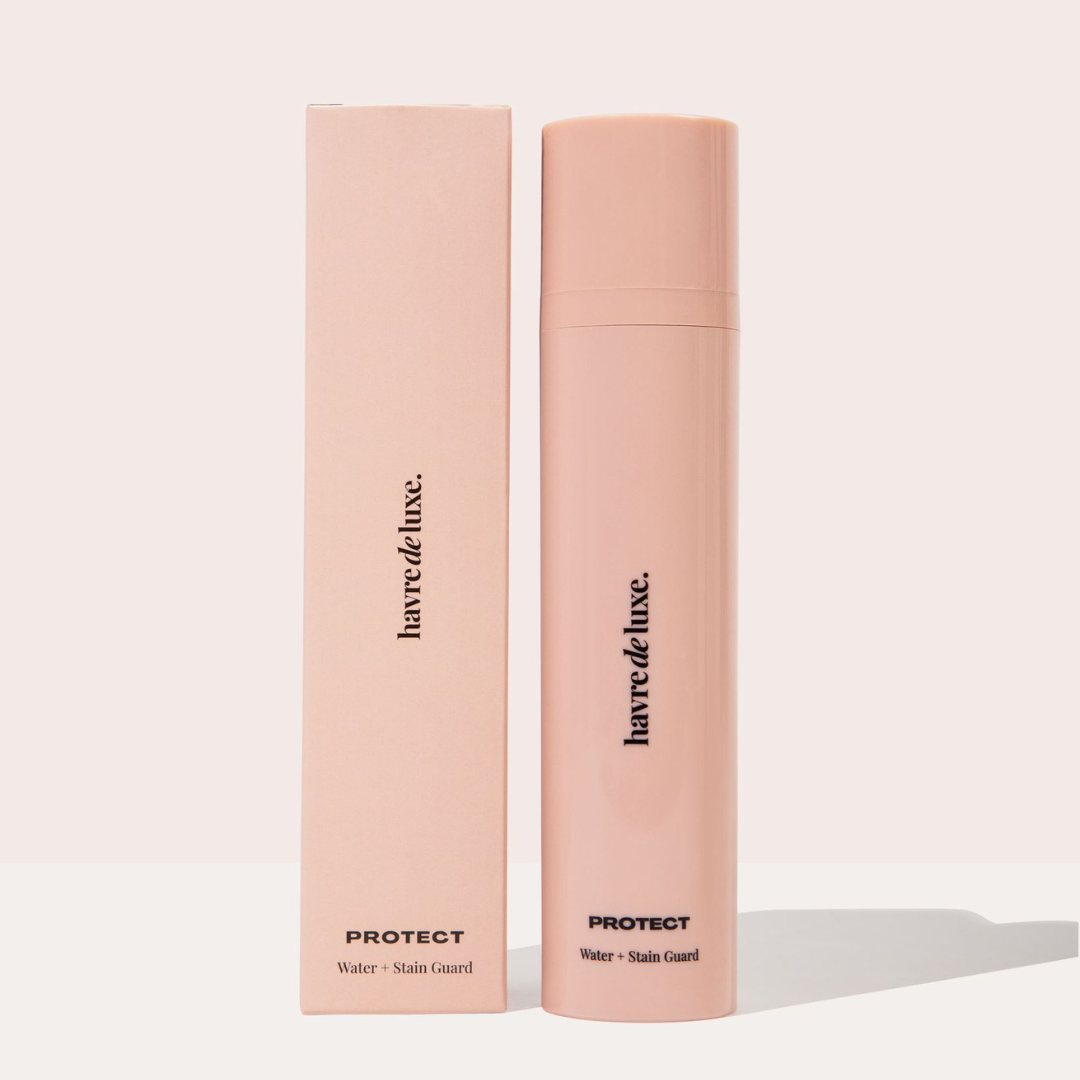
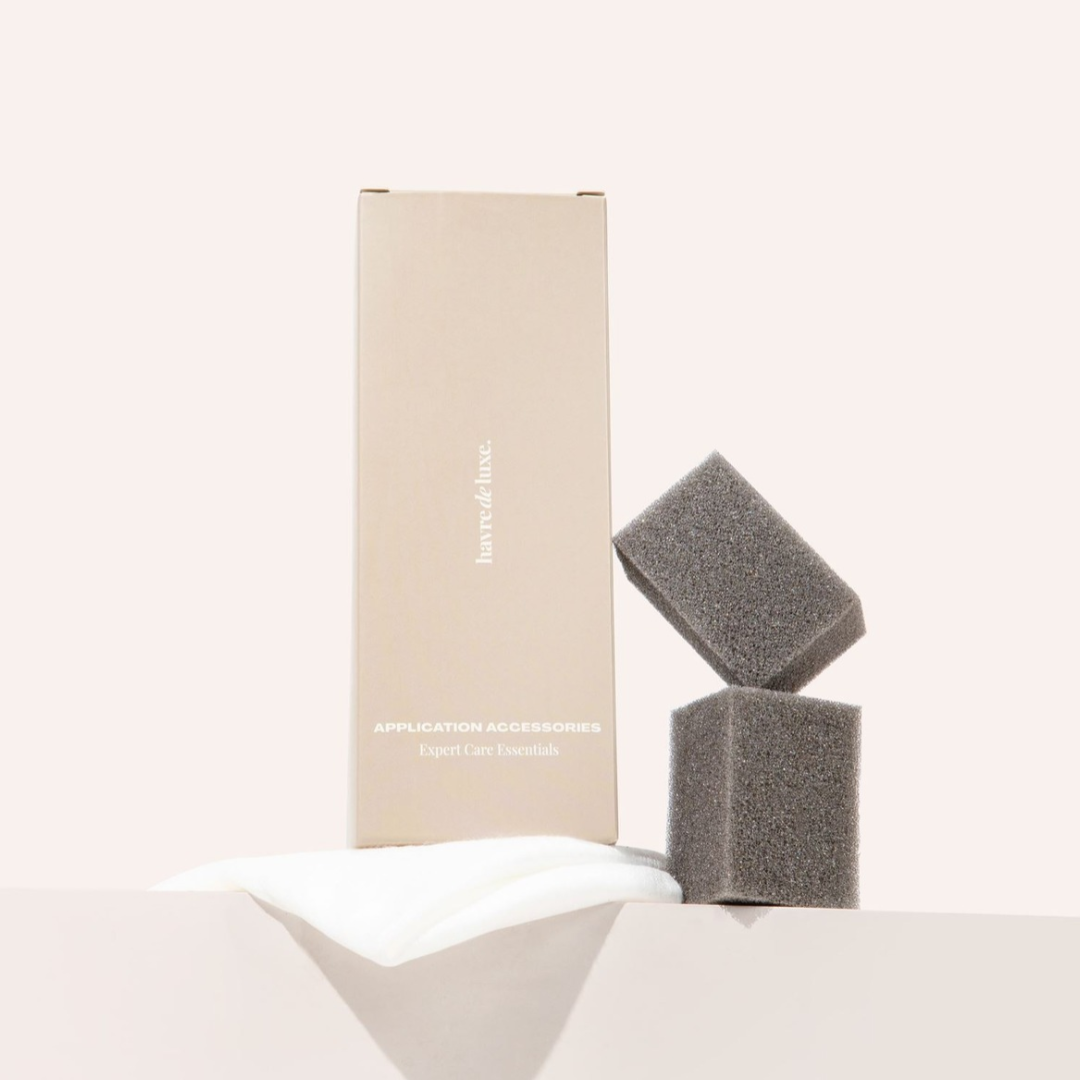
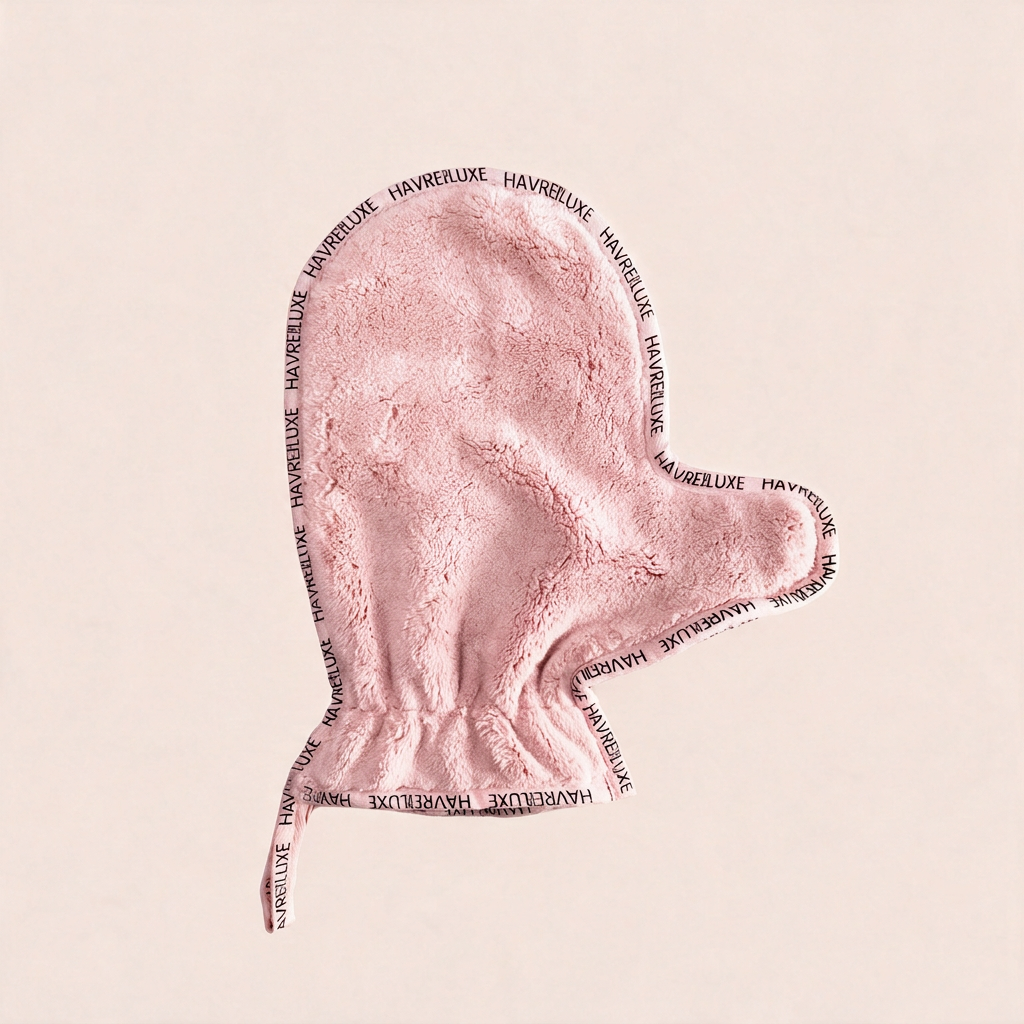
Apply Water and Stain Guard onto the Application Mitt, never straight onto the bag, and smooth it over the leather in light, even coats before first wear, for total peace of mind. A new Baguette needs nothing else, because new leather still holds its own oils. Re-protect every 8 to 12 weeks depending on how often you carry it. For an older piece that has begun to feel dry, Nourishing Conditioner restores suppleness and leaves a UV filter behind. If yours is alligator or another exotic, Cleansing Wipes are safe on every exotic leather for lifting everyday marks.
Fabric, jacquard and suede Baguettes
Test on a small hidden area first, then mist Water and Stain Guard lightly and evenly over the fabric or suede, keeping it off any leather trim, which takes the mitt instead. Let it dry naturally, and never use conditioner on suede. For marks on fabric and embroidered pieces, our guide to cleaning fabric and embroidered bags covers the gentle approach.
Embellished Baguettes
Sequins, beads, mirrored embroidery and stones are best left free of any product. Keep care to the base fabric or leather around them, dust gently with a soft, dry cloth, and store the bag flat in its dust bag with nothing pressing on the embellishment. Our guide to storing your handbags covers the rest.
The clasp
The FF clasp sits on the front flap, exactly where a bag worn under the arm brushes against everything you pass. Our Protectors compatible with Baguette are cut to fit the clasp and the internal lock pieces, sit nearly invisible once in place and remove whenever you choose. There is a set for the Mini Baguette too, and our guide asks whether hardware protectors are worth it.

Whatever your Baguette is made from, test every product on a small hidden area and let it dry completely before treating the whole bag. On mixed-material pieces, treat each surface by its own rule.
Made to be worn close
The Baguette was never meant to sit on a shelf. It was designed to be carried against the body, every day, through every kind of evening. Protect it first, give the clasp its own shield, and it will keep doing exactly what its designer intended.
If you carry one, our guide to cleaning a Baguette covers every material it is made in.
FAQs
When did the Baguette come out?
The Baguette was launched in 1997, designed by Silvia Venturini Fendi as a small, soft bag on a short strap, carried tucked under the arm.
Why is it called a Baguette?
Because it is carried tucked under the arm, like a French loaf. Its designer has said the name came from an American journalist's description rather than from her.
What is the famous Baguette line from Sex and the City?
In a 2000 episode, Carrie Bradshaw corrects a would-be thief who demands her bag: it is not a bag, it is a Baguette.
Can I use Water and Stain Guard on a fabric Baguette?
Yes. Fabric and jacquard take the spray: test a hidden area first, then mist lightly and evenly, keeping it off any leather trim, which takes the Application Mitt instead.
How should I care for an embellished Baguette?
Keep products off sequins, beads and stones, dust gently with a soft, dry cloth, and store it flat in its dust bag with nothing pressing on the embellishment.
Ready to care for your Baguette?
Water and Stain Guard and protectors cut for the Baguette clasp, made to the highest of standards in England.
SHOP BAGUETTE CARE AND PROTECTORSSee our care guides first on Google
Add Havre de Luxe as a preferred source and our newest guides appear first in your Google Top Stories.